
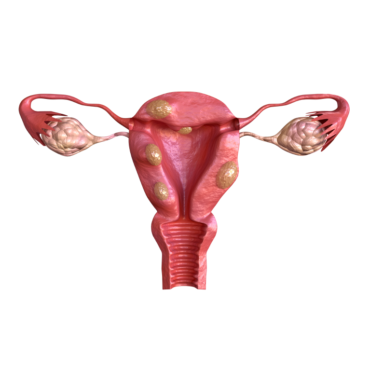
Living with chronic pain that often goes unseen can be emotionally and physically exhausting. For millions of women worldwide, living with endometriosis , causes and symptoms is a daily reality that affects work, relationships, mental health, and overall quality of life. Despite being common, endometriosis is frequently misunderstood, misdiagnosed, or ignored. This blog explains what it truly means to live with this condition, explores living with endometriosis , causes and symptoms, and highlights modern, life-changing treatments that offer hope and relief.
What Is Endometriosis?
Endometriosis is a chronic medical condition where tissue similar to the uterine lining grows outside the uterus—commonly on the ovaries, fallopian tubes, pelvis, bladder, or intestines. Unlike normal menstrual tissue, this tissue has no way to exit the body, leading to inflammation, pain, and scar formation. Understanding living with endometriosis and its causes and symptoms begins with recognizing that it is not “just bad period pain.” It is a long-term inflammatory condition that often worsens without proper care.
Causes of Endometriosis
Although research is ongoing, doctors believe multiple factors contribute to the development of endometriosis. When discussing living with endometriosis , causes and symptoms, these possible causes are most commonly identified:
1. Retrograde Menstruation.
Sometimes, period blood moves in the wrong direction and flows back into the pelvis instead of out of the body.
2. Hormonal Imbalance
Excess estrogen may stimulate the growth of endometrial-like tissue.
3. Immune System Dysfunction
If the immune system isn’t working as it should, it may not remove tissue that grows where it doesn’t belong.
4. Genetic Factors
Women with a family history of endometriosis are at higher risk.
5. Surgical Scars
Endometrial cells may attach to surgical sites after procedures like C-sections.
Understanding these causes helps women better manage living with endometriosis , causes and symptoms through early detection and personalized treatment.
Common Symptoms of Endometriosis
Symptoms vary widely and do not always match disease severity. Some women experience severe pain, while others have mild or no symptoms.
The most common signs linked to living with endometriosis , causes and symptoms include:
>Severe menstrual cramps that worsen over time
>Chronic pelvic or lower back pain
>Pain during or after intercourse
>Heavy or irregular periods
>Pain during bowel movements or urination
>Bloating, nausea, or digestive issues
>Fatigue and low energy
>Difficulty conceiving or infertility
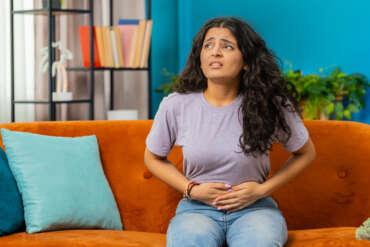
Because these symptoms overlap with other conditions, many women spend years before receiving an accurate diagnosis—making living with endometriosis , causes and symptoms especially challenging.
How Endometriosis Impacts Daily Life
Living with endometriosis is not limited to physical pain. It affects every aspect of life:
>Work & Productivity: Missing work more often and struggling to concentrate on daily tasks.
>Mental Health: Anxiety, depression, and emotional exhaustion
>Relationships: Pain affecting intimacy and social life
>Self-Confidence: Feeling misunderstood or dismissed
For many women, living with endometriosis , causes and symptoms means constantly balancing pain management with daily responsibilities.
Diagnosis: Why It Takes Time
There is no single blood test or scan that confirms endometriosis. Diagnosis often includes:
>Detailed medical history
>Pelvic examinations
>Ultrasound or MRI
>Laparoscopy (gold standard for diagnosis)
Delayed diagnosis is one of the biggest challenges in living with endometriosis , causes and symptoms, highlighting the importance of awareness and specialist care.
Life-Changing Treatment Options
While there is no permanent cure, many treatments can significantly improve quality of life. Modern medicine offers several effective ways to manage living with endometriosis , causes and symptoms.
1. Pain Management
- Anti-inflammatory medications
- Targeted pain relief therapies
2. Hormonal Treatments
- Birth control pills
- Progestins
- GnRH agonists
These treatments reduce estrogen levels and slow tissue growth.
3. Surgical Treatment
Laparoscopic surgery removes endometrial tissue and scar adhesions. For many women, surgery can be life-changing when managing living with endometriosis , causes, and its symptoms.
4. Fertility Treatments
Assisted reproductive techniques help women struggling with infertility due to endometriosis.
5. Holistic & Lifestyle Approaches
- Anti-inflammatory diet
- Regular gentle exercise
- Yoga and physiotherapy
- Stress management and counseling
A combination of medical and lifestyle changes often delivers the best outcomes for living with endometriosis, its causes, and its symptoms.
Emotional Support and Self-Advocacy
One of the most powerful tools in managing living with endometriosis, its causes, and its symptoms is self-advocacy. Women should feel empowered to:
>Seek second opinions
>Track symptoms
>Ask questions
>Join support groups
Being heard and believed can dramatically improve both treatment success and emotional well-being.
Final Thoughts
Living with endometriosis is not easy—but it is manageable with the right care, awareness, and support. Understanding living with endometriosis, its causes, and its symptoms allows women to take control of their health, seek timely treatment, and reclaim their quality of life.