
When it comes to women’s preventive healthcare, few tests are as powerful and life-saving as pap smears. This simple screening test has dramatically reduced cervical cancer deaths worldwide by detecting early cellular changes before they become dangerous.
Yet many women still delay or avoid pap smears because of fear, embarrassment, lack of awareness, or the belief that they are unnecessary if there are no symptoms. In reality, cervical disease often develops silently — without pain, discharge, or warning signs — making regular screening essential.
This article explains what pap smears are, why they are important, who needs them, how often they should be done, and how they protect your cervical health.
What Are Pap Smears?
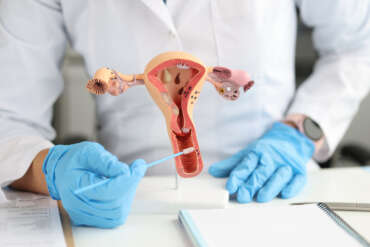
Pap smears (also called Pap tests) are screening tests used to detect abnormal cells on the cervix — the lower part of the uterus that opens into the vagina.
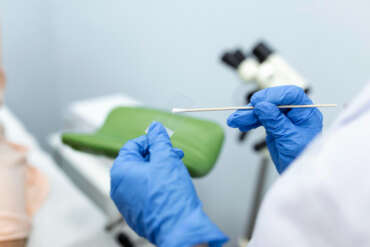
During a Pap smear, your healthcare provider gently uses a soft brush or tiny spatula to collect a few cells from the cervix. It’s quick, usually painless, and over in just a minute.
Those cells are then looked at under a microscope to check for any early changes that could turn into cervical cancer, as well as signs of HPV infection, inflammation, or abnormal cell growth — long before you would ever feel any symptoms.
- Precancerous changes
- Early cancer cells
- Infection-related cellular abnormalities
The goal of pap smears is not just to detect cancer but to find abnormal cells early, when treatment is simple and highly effective.
Why Pap Smears Are So Important
Cervical cancer usually develops slowly over many years. Before cancer forms, the cervical cells go through precancerous changes known as dysplasia. Pap smears can detect these abnormal changes long before they become cancerous.
Key reasons pap smears are essential:
- Early detection saves lives
When cervical abnormalities are found early through pap smears, treatment can prevent cancer from ever developing. - Cervical cancer often has no early symptoms
Most women with early cervical disease feel completely healthy. Pap smears detect problems before symptoms appear. - Highly effective and simple
Pap smears are quick, safe, inexpensive, and usually painless. - Dramatic reduction in cancer rates
Countries with widespread pap smear screening have seen cervical cancer rates drop by over 70%.
Who Needs Pap Smears?
Most women with a cervix should have regular pap smears, even if they:
- Feel healthy
- Have no symptoms
- Are not currently sexually active
- Are in a monogamous relationship
General guidelines:
- Start pap smears at age 21.
- Ages 21–29: Pap smears every 3 years.
- Ages 30–65:
- Pap smears every 3 years, or
- Pap smear + HPV testing every 5 years.
- Pap smears every 3 years, or
- After 65: Screening may stop if prior results were normal (based on medical advice).
Women with immune suppression, HIV, previous abnormal pap smears, or a history of cervical cancer may need more frequent testing.
Pap Smears and HPV
Pap smears detect the cellular changes caused by HPV, while HPV tests detect the virus itself.
Together, pap smears and HPV testing provide powerful protection by identifying risk early.
What Happens During a Pap Smear?
A pap smear usually takes less than five minutes and is performed during a pelvic exam.
The process includes:
- You lie comfortably on the exam table.
- A small brush collects cervical cells.
You may feel mild pressure but pap smears should not be painful.
Common Myths About Pap Smears
Myth 1: I don’t need pap smears if I have no symptoms.
False. Cervical changes usually have no early symptoms.
Myth 2: Pap smears are only needed if you’re sexually active.
False. HPV can be transmitted even with minimal sexual exposure.
Myth 3: Pap smears are painful.
False. Most women find pap smears mildly uncomfortable at most.
Myth 4: I had the HPV vaccine, so I don’t need pap smears.
False. The vaccine reduces risk but does not eliminate the need for screening.
Benefits of Regular Pap Smears
Regular pap smears:
- Prevent cervical cancer
- Reduce cancer mortality
- Detect infections and inflammation
- Provide reassurance about reproductive health
- Enable early treatment with minimal intervention
Few tests offer such high impact with such minimal effort.
How to Prepare for a Pap Smear
To get accurate results from your pap smear:
- Avoid intercourse, douching, or vaginal medicines 48 hours before the test.
- Schedule when you are not menstruating.
- Inform your doctor of any symptoms or previous abnormal results.
The Emotional Side of Pap Smears
It’s normal to feel anxious or embarrassed about pap smears. However, healthcare providers are trained to make the experience respectful, private, and comfortable.
Remember — pap smears are an act of self-care, not something to fear. They represent empowerment over your health.
Final Thoughts
Pap smears are one of the most effective tools in preventive medicine. They quietly protect millions of women by identifying cervical changes early, when they are easiest to treat.
By choosing regular pap smears, you are not just getting a test — you are choosing prevention, peace of mind, and long-term health.
Your cervix may not send warning signs, but pap smears do.
Make your appointment. Protect your future.