The third trimester pregnancy phase is an exciting, transformative, and sometimes overwhelming journey for every expecting mother. As you enter the final stretch—from week 28 to week 40—your body prepares intensely for childbirth. Your baby grows rapidly, your organs shift to make space, and you may experience physical and emotional changes that require mindful care.
This is the period when your healthcare provider visits may increase, your birthing plan becomes more important, and self-care becomes essential. With the right guidance, the third trimester pregnancy stage can be smooth, safe, and empowering.
What Happens During Third Trimester Pregnancy?
The third trimester pregnancy is marked by rapid fetal development. Your baby’s brain, lungs, and body fat develop significantly. Movements become stronger and more noticeable. At the same time, you may experience:
> Shortness of breath
> Heartburn
> Back pain
> Swollen feet
> Braxton Hicks contractions
> Difficulty sleeping
> Frequent urination
These symptoms are normal as your body prepares for labour. Understanding these changes helps you manage them better.
Essential Instructions and Care Tips During Third Trimester Pregnancy
1️⃣ Focus on a Nutritious, Balanced Diet
During third trimester pregnancy, nutrition is crucial for fetal brain development and maternal energy.
What to eat:
> Protein-rich foods: Eggs, lean meat, legumes, paneer, tofu
> Iron-rich foods: Spinach, beetroot, dates, ragi
> Calcium sources: Milk, yogurt, almonds, sesame seeds
> Healthy fats: Avocado, walnuts, ghee in moderation
> Hydration: At least 2.5–3 litres of water per day
Foods to avoid:
> High-mercury fish
> Unpasteurized dairy
> Raw or undercooked meat
> Excess caffeine
A well-balanced plate supports baby growth and prevents complications such as anemia and preterm labour.
2️⃣ Safe Exercise and Movement
Staying active during third trimester pregnancy improves blood circulation, reduces swelling, and supports easier labour.
Recommended exercises:
> Prenatal yoga
> Pelvic tilts
> Walking 20–30 minutes
> Prenatal stretches for back and hips
Avoid:
> High-intensity workouts
> Heavy lifting
> Lying flat on your back for long durations
Always exercise under guidance and stop if you feel dizziness, pain, or shortness of breath.
3️⃣ Sleep and Rest Are Non-Negotiable
Fatigue increases in the third trimester pregnancy, so proper rest is essential.
Tips for better sleep:
> Sleep on your left side for optimal blood flow
> Use pillows between knees, under belly, or behind back
> Avoid large meals before bedtime
> Reduce screen time at night
> Keep your room cool and dark
Short naps during the day help manage tiredness.
4️⃣ Manage Common Discomforts
Back pain
Use a heating pad, support belt, and maintain good posture.
Heartburn
Eat small meals, avoid spicy food, and don’t lie down right after eating.
Swollen feet
Elevate legs, reduce salt, stay hydrated.
Breathlessness
Sleep on elevated pillows, practice slow breathing exercises.
These changes are a normal part of third trimester pregnancy, but consistent discomfort should be discussed with your doctor.
5️⃣ Monitor Baby Movements Daily
Counting kicks is one of the most important parts of third trimester pregnancy care.
Seek medical help immediately if:
> Movements reduce noticeably
> You cannot feel the baby all day
Monitoring movements ensures the baby’s well-being.

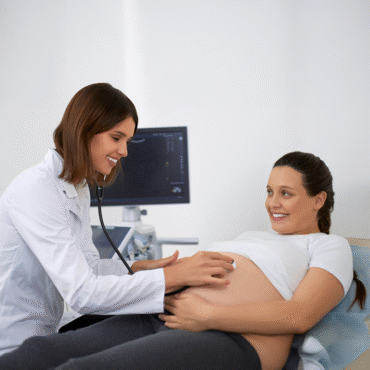
6️⃣ Attend All Prenatal Checkups
Appointments become more frequent during third trimester pregnancy—usually every two weeks, then weekly after 36 weeks.
You may have:
> Ultrasound for growth
> Blood pressure monitoring
> Blood sugar check
> Fetal heart rate measurement
> Pelvic assessment
> Non-stress test (NST) if required
Regular checkups detect early signs of complications like gestational diabetes or hypertension.
7️⃣ Prepare Your Hospital Bag in Advance
Being prepared makes third trimester pregnancy stress-free.
Pack:
> Maternity clothes
> Nursing bras
> Slippers
> Toiletries
> Baby clothes
> Diapers and wipes
> Important documents
> Birth plan copy
Have your bag ready by week 34.
8️⃣ Understand Labour Signs
Knowing the difference between true labour and Braxton Hicks is essential for every third trimester pregnancy journey.
True labour signs:
> Contractions that increase in intensity
> Regular timing
> Lower back pain
> Water breaking
> Bloody show
Braxton Hicks:
> Irregular
> Stop with rest or hydration
> Less painful
When in doubt, always visit your doctor.
9️⃣ Emotional Health: Stay Calm and Supported
Hormonal fluctuations during third trimester pregnancy can cause mood swings, anxiety, or fear of childbirth.
What helps:
> Talking to your partner or family
> Practicing meditation or deep breathing
> Avoiding stressful situations
> Being informed about labour and delivery
> Joining prenatal classes
Your mental well-being impacts your overall pregnancy experience.
🔟 Create a Birth Plan
This helps you feel more confident and prepared.
Include preferences for:
> Normal delivery or C-section
> Pain relief methods
> Who should be inside the labour room
> Immediate skin-to-skin contact
> Breastfeeding initiation
Share it with your doctor during the third trimester pregnancy.
Warning Signs You Should Never Ignore
During third trimester pregnancy, seek emergency medical help if you experience:
> Severe headache
> Sudden swelling of hands, face, or feet
> Blurred vision
> Vaginal bleeding
> High fever
> Leaking fluid before 37 weeks
> Persistent abdominal pain
> Decreased fetal movements
Quick action saves lives.
Conclusion
The third trimester pregnancy phase is a blend of excitement, anticipation, and physical changes. With the right care, awareness, and support, you can navigate this phase confidently and prepare for a smooth childbirth. Listen to your body, follow your doctor’s advice, nourish yourself well, and prioritize rest.
Your baby is almost here—embrace the journey with strength and positivity!