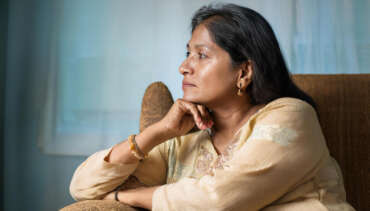
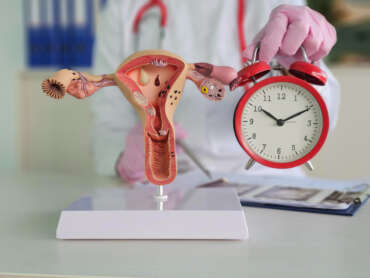
It happens because the ovaries gradually reduce their production of the hormones estrogen and progesterone, which regulate the menstrual cycle and affect many systems in the body.Each stage plays a role in shaping the menopause symptoms and causes experienced by different women.
The transition into menopause occurs in three stages:
- Perimenopause – The years leading up to menopause, when hormone levels start fluctuating and symptoms may begin.
- Menopause – The point when periods stop completely for 12 months.
- Postmenopause – The years after menopause, when symptoms may ease but health risks related to low estrogen remain.
Common Menopause Symptoms
Menopause affects each woman differently. Some experience only mild changes, while others have more intense symptoms. The most common menopause symptoms include:
1. Irregular Periods
One of the earliest signs is a change in menstrual cycles. Periods may become lighter, heavier, shorter, or more unpredictable before stopping altogether.
2. Hot Flashes and Night Sweats
Sudden feelings of heat, often in the face, neck, and chest, are among the most well-known menopause symptoms. Night sweats can disrupt sleep and lead to fatigue.
3. Sleep Disturbances
Hormonal shifts can interfere with sleep patterns, causing difficulty falling asleep, staying asleep, or waking too early.
4. Mood Changes
Many women notice increased irritability, anxiety, low mood, or emotional sensitivity during menopause. These changes are closely linked to fluctuating hormone levels.
5. Vaginal Dryness and Discomfort
Lower estrogen levels can cause thinning and drying of vaginal tissues, leading to discomfort, itching, or pain during intercourse.
6. Reduced Libido
Changes in hormones, fatigue, and vaginal dryness can all contribute to a decrease in sexual desire.
7. Weight Gain and Slower Metabolism
Women may notice weight gain, especially around the abdomen, due to metabolic changes and reduced muscle mass.
8. Memory and Concentration Issues
Some women report “brain fog,” forgetfulness, or difficulty concentrating during the menopausal transition.
Understanding these changes as part of menopause symptoms and causes can reduce anxiety and help women prepare for what to expect.
What Causes Menopause Symptoms?
The primary cause of menopause and its symptoms is the gradual decline in ovarian hormone production, particularly estrogen and progesterone. These hormones influence many bodily functions, including temperature regulation, bone health, mood, skin elasticity, and cardiovascular health.
Key causes include:
- Natural ageing — The ovaries become less responsive and produce fewer hormones over time.
- Genetic factors — Family history can influence the age at which menopause occurs.
- Medical causes — Surgery to remove ovaries or uterus, chemotherapy, or radiation therapy can trigger early menopause.
- Lifestyle factors — Smoking, stress, poor nutrition, and lack of exercise may worsen symptoms.
Together, these factors explain the biological and environmental menopause symptoms and causes that shape each woman’s experience.
Health Risks After Menopause
Lower estrogen levels after menopause can increase the risk of certain health conditions:
- Osteoporosis – Weaker bones and increased fracture risk
- Urinary problems – Increased frequency, urgency, or infections
- Skin and hair changes – Thinner skin and hair loss
This is why understanding menopause symptoms and causes is important not only for comfort but also for long-term health planning.
When Should You See a Doctor?
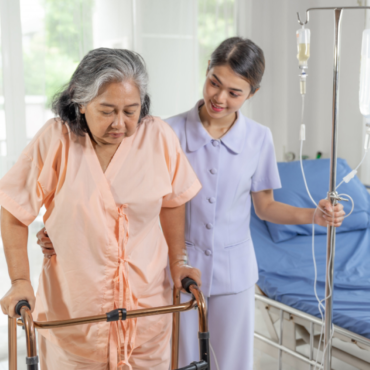
You should consult a healthcare provider if:
- You experience very heavy or prolonged bleeding
- Menopause occurs before age 40 (early menopause)
- You have concerns about bone health, heart health, or mental wellbeing
Medical advice can help rule out other conditions and guide treatment options such as lifestyle changes, supplements, or hormone therapy when appropriate.
Managing Menopause Symptoms
Although menopause cannot be prevented, symptoms can be managed through:
- Regular physical activity, including strength training
- Stress management through yoga, meditation, or counselling
- Avoiding triggers like caffeine, spicy food, and alcohol
- Medical treatments such as hormone replacement therapy (HRT) when indicated
Personalised care makes a significant difference in how women experience menopause.
Conclusion
Menopause is a natural life transition, not a disease. However, the physical and emotional changes it brings are real and deserve understanding and care. By learning about menopause symptoms and causes, women can recognise changes early, seek support when needed, and take proactive steps to protect their health and wellbeing.
Every woman’s menopausal journey is unique — and with the right knowledge and guidance, it can be navigated with confidence, comfort, and clarity.