Best Time to Conceive: Understanding Fertile Days, Ovulation and Pregnancy Planning
For couples trying to start a family, one of the most common questions is, “When is the best time to conceive?” Understanding your menstrual cycle, fertile days, and ovulation can significantly improve your chances of getting pregnant naturally. Whether you are planning your first pregnancy or have been trying for some time, knowing the best days to conceive during your menstrual cycle is essential.
This guide explains the best time to get pregnant, how to identify your fertile window, and practical pregnancy planning tips to help increase your chances of conception.
What Is the Best Time to Conceive?
The best time to conceive is during your fertile window, which includes the five days before ovulation, the day of ovulation, and sometimes the day after ovulation.
Sperm can survive inside the female reproductive tract for up to five days, while an egg remains viable for approximately 12 to 24 hours after ovulation. Having intercourse during this period offers the highest chance of pregnancy.
Understanding Ovulation and Conception
Ovulation and conception are closely linked. Ovulation occurs when a mature egg is released from the ovary and travels into the fallopian tube. If sperm is present during this time, fertilization can occur, leading to pregnancy.
Women who understand their ovulation patterns are often better able to identify the fertile days for pregnancy and improve their chances of conceiving naturally.
When Am I Most Fertile?
Many women ask, “When am I most fertile?” The answer depends on the length of your menstrual cycle.
For women with a regular 28-day cycle:
- Day 1 is the first day of your period.
- Ovulation typically occurs around Day 14.
- The fertile window usually falls between Days 10 and 15.
Therefore, the best time to have intercourse for pregnancy is during these fertile days.
Best Time to Conceive After Periods
The best time to conceive after periods depends on your cycle length.
For a 28-Day Cycle:
- Period: Days 1–5
- Fertile Window: Days 10–15
- Ovulation: Around Day 14
For a 30-Day Cycle:
- Ovulation: Around Day 16
- Fertile Window: Days 12–17
For a 32-Day Cycle:
- Ovulation: Around Day 18
- Fertile Window: Days 14–19
Tracking your cycle can help determine the best time to get pregnant naturally.
Fertile Days to Get Pregnant
The fertile days to get pregnant are the days leading up to ovulation and the day of ovulation itself.
These days offer the highest probability of conception because sperm is already present when the egg is released.
Experts generally recommend having intercourse every one to two days during the fertile window rather than waiting for ovulation day alone.
Best Days to Conceive During Menstrual Cycle
The best days to conceive during the menstrual cycle are usually:
- Five days before ovulation
- Two days before ovulation
- One day before ovulation
- The day of ovulation
Studies have shown that the highest pregnancy rates occur when intercourse takes place one or two days before ovulation.
Signs That You Are Ovulating
Knowing your ovulation signs can help answer the question, “When am I most fertile to get pregnant?”
Common signs include:
- Clear, stretchy cervical mucus
- Increased libido
- Mild pelvic discomfort
- Breast tenderness
- Slight increase in basal body temperature
Monitoring these signs can help identify your most fertile days.
Ovulation Calculator for Pregnancy
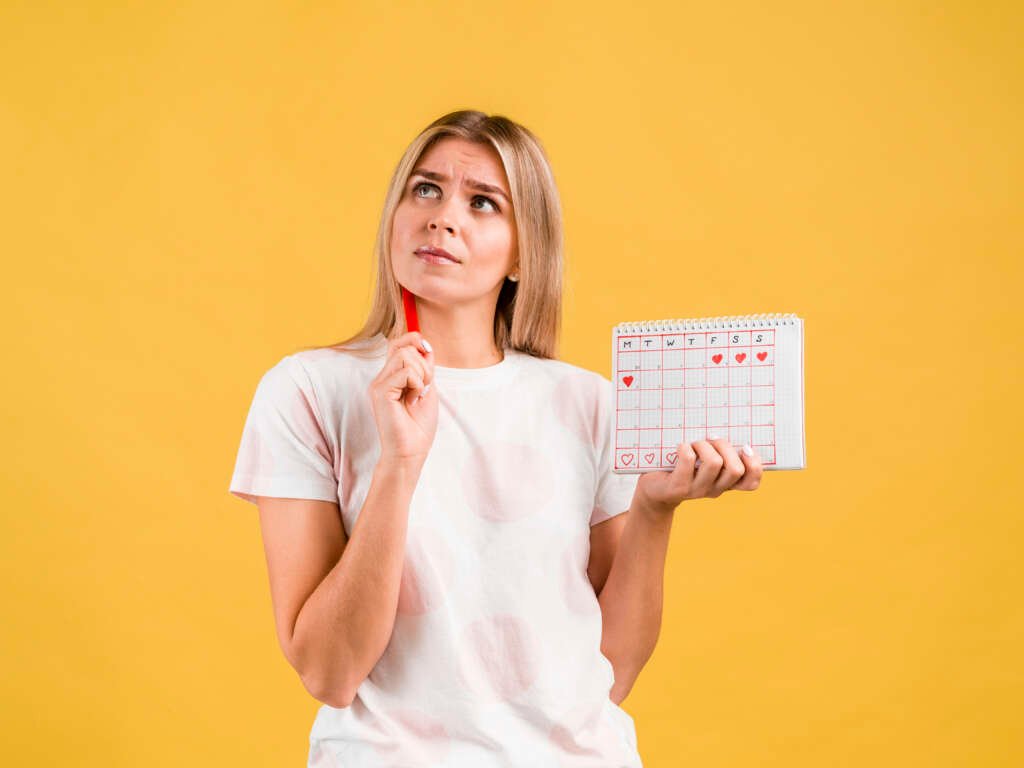
Many women use an ovulation calculator for pregnancy to estimate fertile days.
Ovulation calculators typically require:
- First day of your last menstrual period
- Average cycle length
These tools provide an estimated fertile window, helping couples time intercourse more effectively.
However, women with irregular cycles may benefit from ovulation predictor kits or ultrasound follicular monitoring for greater accuracy.
How to Conceive Naturally
If you are wondering how to conceive naturally, consider the following recommendations:
Track Your Menstrual Cycle
Understanding your cycle helps identify fertile days and ovulation timing.
Maintain a Healthy Weight
Being underweight or overweight can affect ovulation and fertility
Follow a Balanced Diet
Include:
- Fruits and vegetables
- Whole grains
- Lean proteins
- Healthy fats
Good nutrition supports reproductive health.
Exercise Regularly
Moderate exercise improves overall health and hormonal balance.
Reduce Stress
High stress levels may interfere with ovulation and fertility in some women.
Take Prenatal Vitamins
Folic acid supplementation before conception supports healthy fetal development.
How to Conceive Fast Naturally
Many couples search for ways on how to conceive fast naturally.
While there is no guaranteed method, these steps may improve your chances:
- Have intercourse every one to two days during the fertile window.
- Track ovulation accurately.
- Avoid smoking and excessive alcohol.
- Maintain a healthy lifestyle.
- Seek medical advice if pregnancy does not occur after regular attempts.
Chances of Getting Pregnant During Ovulation
The chances of getting pregnant during ovulation are highest compared to any other time in the menstrual cycle.Pregnancy likelihood is greatest when intercourse occurs:
- One to two days before ovulation
- On the day of ovulation
The exact chances vary depending on age, reproductive health, and other fertility factors.
Pregnancy Planning Tips
Effective pregnancy planning tips include:
- Schedule a preconception consultation.
- Manage existing medical conditions.
- Maintain a healthy body weight.
- Start folic acid supplementation.
- Track menstrual cycles and ovulation.
- Follow a nutritious diet.
- Avoid tobacco and excessive caffeine.
Preparing your body before conception can contribute to a healthier pregnancy.
When to See a Fertility Specialist
Consult a gynecologist if:
- You have irregular periods.
- You suspect ovulation problems.
- You have been trying to conceive for over one year.
- You are over 35 and have been trying for more than six months.
- You have conditions such as PCOS, endometriosis, or thyroid disorders.
Early evaluation can help identify and address fertility concerns.
Conclusion
Knowing the best time to conceive, understanding ovulation and conception, and identifying your fertile days for pregnancy can significantly improve your chances of becoming pregnant. By tracking ovulation, maintaining a healthy lifestyle, and following pregnancy planning tips, many couples can successfully achieve pregnancy naturally.
If you are unsure about your fertile window or have difficulty conceiving, consulting a gynecologist can provide personalized guidance and fertility support.