
Painful Periods
Introduction
Experiencing mild discomfort during menstruation is common, but severe or persistent period pain should never be ignored. Painful periods, medically known as dysmenorrhea, can interfere with daily activities, work, school, and overall quality of life. While many women experience menstrual cramps occasionally, intense pain may indicate an underlying gynecological condition that requires medical evaluation.
Understanding the causes, symptoms, and treatment options for painful periods can help you manage discomfort effectively and recognize when professional medical care is needed. If you also experience irregular menstrual cycles, heavy bleeding, or pelvic pain, exploring topics like Menstrual Health, PCOS, Endometriosis Symptoms, and Ovarian Cyst Symptoms can provide additional insights into your reproductive health.
What Are Painful Periods?
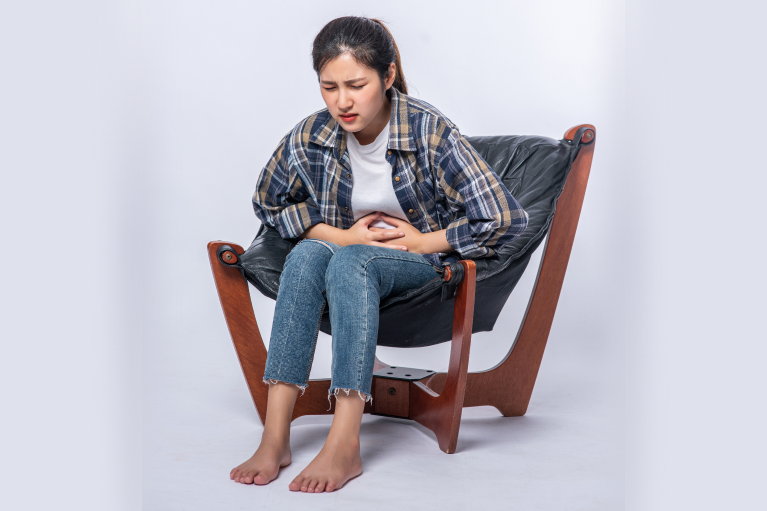
Painful periods refer to cramping pain in the lower abdomen that occurs before or during menstruation. The pain is caused by uterine contractions triggered by hormone-like substances called prostaglandins. Higher prostaglandin levels often result in stronger contractions and more severe pain.
Painful periods are generally classified into two types:
| Type | Description |
|---|---|
| Primary Dysmenorrhea | Menstrual pain without an underlying medical condition, commonly starting during adolescence. |
| Secondary Dysmenorrhea | Pain caused by an underlying condition such as endometriosis, adenomyosis, fibroids, or pelvic inflammatory disease. |
Common Symptoms of Painful Periods
Symptoms vary from person to person and may range from mild discomfort to severe pain.
Common symptoms include:
- Cramping pain in the lower abdomen
- Pelvic pain
- Lower back pain
- Pain radiating to the thighs
- Abdominal pressure
- Nausea
- Vomiting
- Diarrhea
- Headache
- Fatigue
- Dizziness
- General weakness
Some women experience symptoms one to two days before their period begins, while others notice pain only after menstrual bleeding starts.
Causes of Painful Periods
Primary Dysmenorrhea
Primary dysmenorrhea occurs without an underlying disease and is mainly related to increased prostaglandin production.
Common causes include:
- High prostaglandin levels
- Strong uterine contractions
- Reduced blood flow to the uterus during contractions
Secondary Dysmenorrhea
Secondary dysmenorrhea is associated with medical conditions such as:
- Endometriosis
- Adenomyosis
- Uterine fibroids
- Pelvic inflammatory disease (PID)
- Ovarian cysts
- Cervical narrowing
- Intrauterine device (IUD) complications (in some cases)
Women diagnosed with Endometriosis Symptoms or Ovarian Cyst Symptoms often report worsening menstrual pain over time.
Risk Factors
You may have a higher risk of painful periods if you:
- Are younger than 30 years
- Started menstruating at an early age
- Have heavy menstrual bleeding
- Smoke cigarettes
- Have a family history of painful periods
- Experience irregular menstrual cycles
- Have endometriosis or PCOS
- Have never been pregnant
Painful Periods During Adolescence
Many teenagers experience menstrual cramps during the first few years after their periods begin. In most cases, the pain gradually improves with age. However, severe pain that prevents normal activities should be evaluated by a gynecologist.
Parents should seek medical advice if a teenager experiences:
- Severe pain every month
- Heavy menstrual bleeding
- Fainting
- Persistent vomiting
- Missed school due to period pain
Diagnosis
A gynecologist will evaluate your symptoms to determine whether the pain is primary or secondary dysmenorrhea.
Medical History
Your doctor may ask about:
- Menstrual cycle pattern
- Pain severity
- Duration of symptoms
- Family history
- Pregnancy history
- Current medications
Physical Examination
A pelvic examination may be performed to identify tenderness or abnormalities.
Important Tests
Depending on your symptoms, your doctor may recommend:
| Test | Purpose |
| Pelvic Examination | Checks reproductive organs |
| Pelvic Ultrasound | Detects fibroids, ovarian cysts, or structural abnormalities |
| Transvaginal Ultrasound | Provides detailed imaging of pelvic organs |
| MRI Scan | Evaluates complex pelvic conditions if needed |
| Laparoscopy | Helps diagnose endometriosis when indicated |
| Pregnancy Test | Rules out pregnancy-related conditions |
Treatment Options
Treatment depends on the underlying cause and the severity of symptoms.
Medications
Your healthcare provider may recommend:
- Nonsteroidal anti-inflammatory drugs (NSAIDs)
- Prescription pain-relieving medications
- Hormonal contraceptives in appropriate cases
Always use medications under medical guidance.
Lifestyle Measures
Simple self-care measures can help reduce menstrual pain.
- Apply a heating pad to the lower abdomen
- Engage in light physical activity
- Stay hydrated
- Get adequate sleep
- Practice relaxation techniques
- Maintain a healthy weight
Surgical Treatment
If painful periods are caused by conditions such as fibroids, endometriosis, or large ovarian cysts, surgical treatment may be considered after evaluation by a specialist.
Diet for Painful Periods
A balanced diet may support overall menstrual health.
Include:
- Leafy green vegetables
- Fresh fruits
- Whole grains
- Lean protein
- Nuts and seeds
- Omega-3-rich foods
- Plenty of water
Limit:
- Excess salt
- Sugary drinks
- Processed foods
- Excess caffeine
- Alcohol
Women planning pregnancy may also benefit from following a healthy nutrition plan similar to a Pregnancy Diet Chart Month by Month after discussing individual needs with their healthcare provider.
Prevention Tips
Although painful periods cannot always be prevented, these habits may help reduce symptoms:
- Exercise regularly
- Eat a balanced diet
- Maintain a healthy body weight
- Avoid smoking
- Manage stress effectively
- Attend routine gynecological check-ups
- Seek treatment for underlying gynecological conditions
Warning Signs
Seek immediate medical attention if you experience:
- Sudden severe pelvic pain
- Heavy menstrual bleeding
- Fever during menstruation
- Fainting
- Persistent vomiting
- Severe pain that does not improve with medication
- Pain after years of previously normal periods
These symptoms may indicate an underlying condition that requires prompt evaluation.
When to Consult a Doctor
Schedule an appointment with a gynecologist if:
- Menstrual pain interferes with daily life
- Pain lasts longer than two to three days
- Over-the-counter pain relief does not help
- You experience irregular periods
- You have severe pelvic pain between periods
- You suspect endometriosis or ovarian cysts
- You are planning pregnancy and have significant menstrual pain
Early diagnosis can help identify the cause and guide appropriate treatment.
Frequently Asked Questions
1. Are painful periods normal?
Mild menstrual cramps are common. However, severe or disabling pain should be evaluated by a healthcare professional to rule out underlying conditions.
2. What causes severe menstrual cramps?
Severe cramps may result from high prostaglandin levels or conditions such as endometriosis, adenomyosis, fibroids, or ovarian cysts.
3. Can painful periods affect fertility?
Primary dysmenorrhea usually does not affect fertility. However, underlying conditions like endometriosis may impact reproductive health if left untreated.
4. Can exercise help reduce period pain?
Yes. Regular physical activity may help improve blood circulation, reduce stress, and lessen menstrual discomfort for some women.
5. What foods may help during painful periods?
A diet rich in fruits, vegetables, whole grains, lean protein, and omega-3 fatty acids may support overall menstrual health.
6. When should I see a doctor for painful periods?
Consult a gynecologist if your pain is severe, worsens over time, prevents daily activities, or is associated with heavy bleeding, fever, or pelvic pain between periods.
Conclusion
Painful periods are a common concern, but they should not be accepted as something you simply have to endure. While many cases are related to normal menstrual changes, severe or persistent pain may indicate an underlying gynecological condition such as endometriosis, ovarian cysts, or fibroids.
Recognizing the symptoms early, maintaining a healthy lifestyle, and seeking timely medical evaluation can help manage pain effectively and improve your quality of life. If your menstrual cramps are severe or interfere with your daily routine, consult a qualified gynecologist for a proper diagnosis and personalized treatment plan.