Introduction
Pregnancy is a special time in a woman’s life. Many women wonder if they should stay active or rest more. The truth is simple. Exercise during pregnancy is not only safe for most women, but it is also strongly recommended by doctors.
In the past, people believed pregnant women should avoid movement. Today, medical research shows the opposite. The right exercise during pregnancy plan can help both mother and baby stay healthy.
Regular movement improves blood flow. It keeps muscles strong. It also helps the body prepare for delivery.
This guide explains everything you need to know about exercise during pregnancy, including safety rules, benefits, and the best workouts you can do safely.
1. Is Exercise During Pregnancy Safe?
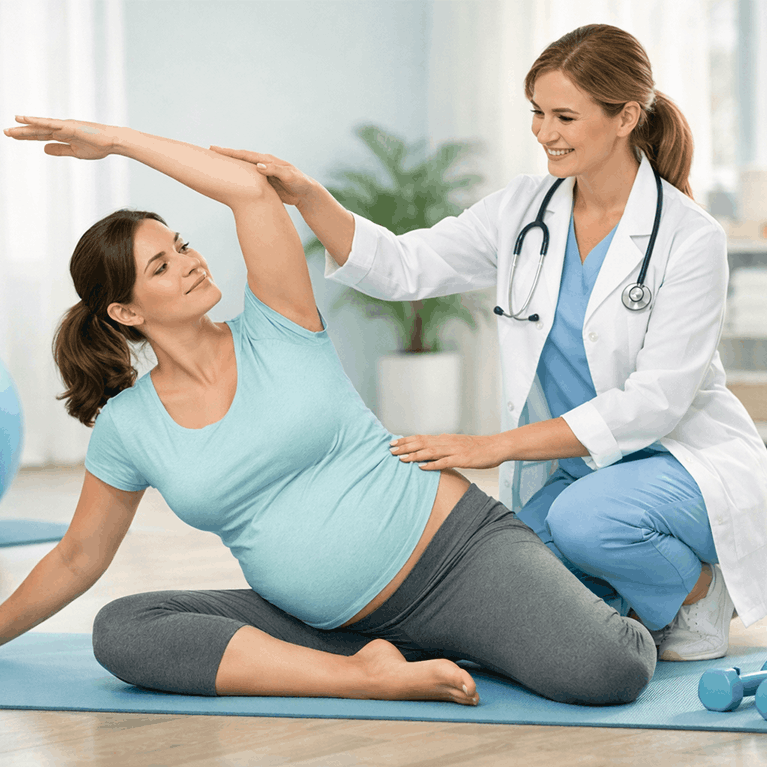
For most healthy pregnancies, exercise during pregnancy is safe. Doctors usually recommend at least 150 minutes of moderate activity every week.
However, every pregnancy is different. Some women may need restrictions if they have:
Conditions needing medical advice
- Heart problems
- Lung disease
- Cervical weakness
- Placenta previa
- Risk of preterm labor
- Severe anemia
- High blood pressure
If you have these conditions, ask your doctor before starting exercise during pregnancy.
If your pregnancy is low risk, staying active is one of the best things you can do.
2. Benefits of Exercise During Pregnancy
Regular exercise during pregnancy gives many physical and mental benefits.
Physical benefits
Reduces back pain
As the baby grows, the spine carries more weight. Exercise strengthens the back and reduces pain.
Controls weight gain
Healthy weight gain is important. Exercise during pregnancy helps prevent excess weight gain.
Reduces pregnancy diabetes risk
Activity helps control blood sugar levels and lowers gestational diabetes risk.
Improves sleep
Many pregnant women struggle with sleep. Regular movement improves sleep quality.
Prepares body for labor
Strong muscles and better stamina help during labor.
Mental benefits
Exercise during pregnancy also helps mental health.
Reduces stress
Movement releases feel-good hormones.
Improves mood
Exercise can reduce anxiety and emotional stress.
Builds confidence
Staying active makes women feel stronger and more prepared.
3. Safety Guidelines for Exercise During Pregnancy
Safety is the most important part of exercise during pregnancy.
Follow these simple rules.
Talk to your doctor first
Always get approval before starting a new routine.
Start slowly
If you were not active before pregnancy, start with 10 minutes daily.
Stay hydrated
Drink water before, during, and after exercise during pregnancy.
Avoid overheating
Exercise in a cool environment.
Wear comfortable clothes
Use supportive shoes and loose clothing.
Avoid lying flat after first trimester
This position can reduce blood flow.
Listen to your body
Stop if you feel pain or dizziness.
4. Warning Signs to Stop Exercise Immediately
Stop exercise during pregnancy and seek medical advice if you notice:
- Vaginal bleeding
- Chest pain
- Severe headache
- Muscle weakness
- Dizziness
- Fluid leakage
- Regular contractions
Safety should always come first.
5.Best Exercises During Pregnancy
Not all workouts are safe. The best exercise during pregnancy options are low-impact and controlled.
Here are safe exercises doctors commonly recommend.
Walking
Walking is the easiest exercise during pregnancy.
Why walking is good
- Safe for beginners
- Improves circulation
- Easy to maintain daily
- Low injury risk
How much to walk
Start with 15–20 minutes and slowly increase.
Prenatal Yoga
Prenatal yoga is a gentle exercise during pregnancy that improves flexibility.
Benefits
- Improves breathing control
- Reduces stress
- Improves posture
- Reduces muscle tension
Always choose pregnancy-safe yoga programs.
Swimming
Swimming is considered one of the safest forms of exercise during pregnancy.
Why swimming helps
- Supports body weight
- Reduces joint stress
- Improves circulation
- Reduces swelling
Water workouts are very comfortable during later months.
Stretching Exercises
Stretching keeps muscles flexible.
Benefits of stretching
- Reduces cramps
- Improves mobility
- Prevents stiffness
Stretch gently. Never bounce while stretching.
Light Strength Training
Strength training can be part of exercise during pregnancy if done carefully.
Safety tips
- Use light weights
- Avoid heavy lifting
- Focus on posture
- Avoid strain
Strength training prepares muscles for labor.
Pelvic Floor Exercises (Kegels)
Kegel exercises are very important.
Benefits
- Strengthens pelvic muscles
- Improves bladder control
- Helps recovery after birth
Pelvic exercises are a key part of exercise during pregnancy.
6.Exercises to Avoid During Pregnancy
Some activities are unsafe.
Avoid these exercise during pregnancy:
High risk activities
- Contact sports
- Horse riding
- Skiing
- Gymnastics
High fall risk exercises
Balance changes during pregnancy increase fall risk.
Heavy lifting
Avoid intense weight training.
Exercises requiring lying flat
Avoid after first trimester.
High intensity workouts
Avoid extreme cardio routines.
Safety matters more than intensity.
Exercise Plan by Trimester
Each stage needs a different exercise during pregnancy approach.
First Trimester Exercise Tips
Energy levels may be low.
Best options
- Walking
- Light stretching
- Breathing exercises
Tips
- Avoid overexertion
- Focus on routine building
Second Trimester Exercise Tips
This is often the most comfortable stage for exercise during pregnancy.
Best options
- Prenatal yoga
- Swimming
- Strength training
Tips
- Avoid back lying exercises
- Maintain good posture
Third Trimester Exercise Tips
Movement becomes harder.
Best options
- Slow walking
- Pelvic exercises
- Gentle stretching
Tips
- Focus on comfort
- Avoid balance challenges
Consistency is more important than intensity.
7.How Much Exercise is Recommended?
Experts recommend:
150 minutes of moderate activity per week
This equals:
- 30 minutes daily
- 5 days per week
You can split sessions into 10-minute blocks.
Regular exercise during pregnancy is more effective than occasional intense workouts.
Simple Daily Pregnancy Exercise Routine
Here is a basic routine:
Warm up (5 minutes)
- Slow walking
- Shoulder rolls
Main workout (15–20 minutes)
- Walking
- Light stretching
- Prenatal yoga
Strength (5–10 minutes)
- Light resistance exercises
- Pelvic exercises
Cool down (5 minutes)
- Deep breathing
- Gentle stretching
This simple exercise during pregnancy routine is enough for most women.
Tips to Stay Motivated
Staying consistent can be difficult.
Try these ideas:
Make a schedule
Routine helps habit formation.
Choose enjoyable activities
Pick exercises you like.
Track progress
Small improvements build motivation.
Exercise with support
Join prenatal classes if possible.
Focus on benefits
Remember why exercise during pregnancy matters.
Common Myths About Exercise During Pregnancy
Many myths still exist.
Myth 1: Exercise can harm the baby
Truth: Safe exercise during pregnancy improves baby health.
Myth 2: Pregnant women should rest completely
Truth: Too much rest may cause weakness.
Myth 3: Exercise causes miscarriage
Truth: Normal exercise does not increase miscarriage risk.
Myth 4: Only athletes should exercise
Truth: Every healthy pregnant woman can stay active.
Correct information helps better decisions.
When to Avoid Exercise
Avoid exercise during pregnancy if your doctor advises restriction.
Possible reasons include:
- Preterm labor risk
- Severe bleeding
- Placenta complications
- Severe growth restriction
Medical advice always comes first.
8.How Exercise Helps Normal Delivery
Many women ask if exercise during pregnancy helps normal delivery.
Exercise may help by:
- Improving stamina
- Strengthening pelvic muscles
- Improving pushing ability
- Improving breathing control
While exercise cannot guarantee normal delivery, it improves preparation.
Posture Tips During Pregnancy Exercise
Good posture prevents injury.
Important tips
- Keep back straight
- Avoid locking knees
- Engage core gently
- Move slowly
Proper posture improves the benefits of exercise during pregnancy.
Final Thoughts
Exercise during pregnancy is one of the best ways to support a healthy pregnancy. It improves strength, reduces discomfort, and prepares the body for childbirth.
The key is simple:
Stay consistent. Stay safe. Stay informed.
Always choose safe workouts. Follow medical advice. Listen to your body.
A healthy pregnancy often includes healthy movement.
9.Frequently Asked Questions (FAQs)
How often should you exercise during pregnancy?
Most doctors recommend exercise during pregnancy for 30 minutes a day, five days a week. Moderate activity is enough.
Can beginners start exercise during pregnancy?
Yes. Beginners can start exercise during pregnancy slowly with walking and stretching.
What is the safest exercise during pregnancy?
Walking is considered the safest exercise during pregnancy because it has low injury risk.
Can exercise cause preterm labor?
Normal exercise during pregnancy does not cause preterm labor in healthy pregnancies.
Is it safe to exercise every day?
Yes, daily exercise during pregnancy is safe if intensity is moderate.
When should I stop exercising during pregnancy?
Stop exercise during pregnancy if you feel pain, dizziness, bleeding, or contractions.
Does exercise help reduce labor pain?
Regular exercise during pregnancy improves endurance and may help labor tolerance.
Can exercise reduce C-section risk?
Some studies suggest exercise during pregnancy may reduce complications, but it cannot guarantee delivery type.
Is yoga safe during pregnancy?
Prenatal yoga is a safe exercise during pregnancy when modified properly.
Do I need a trainer?
Not always. Many women safely do exercise during pregnancy at home after medical advice.