First Trimester Pregnancy Care: Symptoms, Diet, Tests & Important Tips
The first trimester is one of the most important stages of pregnancy. It begins from week 1 and continues until the end of week 12. During this time, the baby’s major organs start developing, and the mother’s body experiences many physical and hormonal changes.
Proper first trimester pregnancy care helps expecting mothers manage early changes, maintain good health, and support the baby’s development. Understanding common first trimester symptoms, following healthy habits, and getting timely medical checkups are essential steps during early pregnancy.
With the right pregnancy tips and guidance from your healthcare provider, mothers can feel more confident throughout the first stage of pregnancy.
What Happens During the First Trimester of Pregnancy?
The first trimester is a period of rapid development for the baby. During these early weeks, important growth processes begin.
Major developments include:
- Formation of baby’s organs
- Development of the brain and spinal cord
- Beginning of heartbeat
- Growth of arms and legs
- Placenta development
Because this stage is important, regular pregnancy care and healthy lifestyle choices are recommended.
Common First Trimester Symptoms
Every woman experiences pregnancy differently. Some may have many symptoms, while others experience only a few.
Here are common first trimester symptoms:
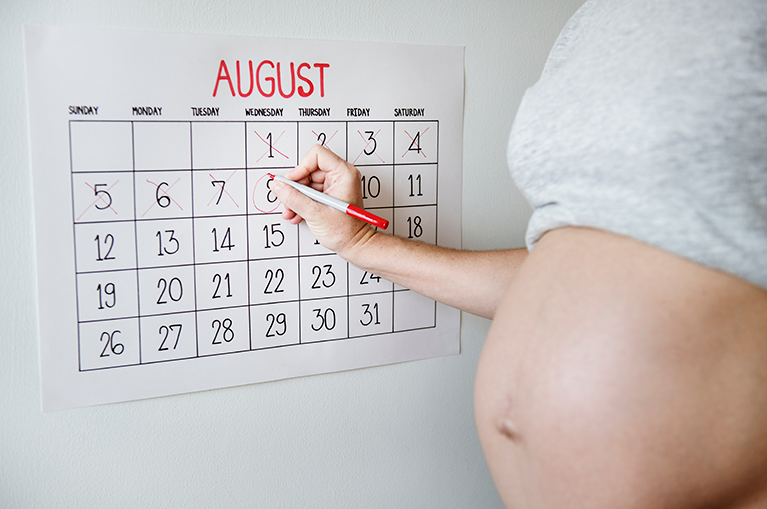
1. Missed Period
A missed period is often the first noticeable sign of pregnancy. Hormonal changes stop the regular menstrual cycle as the body begins supporting pregnancy.
If you miss your period, taking a pregnancy test and consulting a doctor helps confirm pregnancy.
2. Morning Sickness and Nausea
Nausea and vomiting are common during early pregnancy. Although called morning sickness, it can happen anytime.
Helpful tips:
- Eat small frequent meals
- Drink enough fluids
- Avoid strong food smells
- Follow doctor recommendations if severe
3. Fatigue and Tiredness
Many women feel more tired during the first trimester.
This happens because the body works harder to support pregnancy and hormone levels increase.
Managing fatigue:
- Get enough sleep
- Eat nutritious foods
- Stay hydrated
- Avoid overexertion
4. Breast Changes
Hormonal changes can cause:
- Breast tenderness
- Swelling
- Sensitivity
- Changes around nipples
These changes are normal as the body prepares for pregnancy.
5. Frequent Urination
Pregnancy hormones increase blood flow to the kidneys, causing frequent urination.
However, pain or burning during urination should be checked by a doctor.
6. Mood Changes
Hormonal changes can influence emotions.
Expecting mothers may experience:
- Mood swings
- Emotional sensitivity
- Anxiety
Relaxation, support, and proper care help improve emotional wellness.
First Trimester Pregnancy Diet
Healthy nutrition plays an important role in first trimester pregnancy care.
A balanced diet supports both mother and baby health.
Foods to Eat During First Trimester
1. Folic Acid Rich Foods
Examples:
- Green leafy vegetables
- Lentils
- Beans
- Nuts
Folic acid supports early baby development.
2. Protein-Rich Foods
Include:
- Eggs
- Pulses
- Dairy products
- Lean proteins
- Nuts
Protein supports baby growth and mother’s strength.
3. Iron-Rich Foods
Examples:
- Spinach
- Dates
- Beans
- Whole grains
Iron supports healthy blood levels during pregnancy.
4. Calcium-Rich Foods
Include:
- Milk
- Curd
- Cheese
- Calcium-rich foods
Calcium supports bone development.
Foods to Avoid During First Trimester
During pregnancy, food safety is important.
Avoid or limit:
- Raw or undercooked foods
- Unpasteurized dairy products
- High-mercury fish
- Excess caffeine
- Junk foods
- Unwashed fruits and vegetables
Always follow your doctor’s advice based on your health condition.
Important First Trimester Pregnancy Tests
Regular checkups help monitor pregnancy progress.
Your doctor may recommend:
1. Pregnancy Confirmation Test
This confirms pregnancy and helps begin proper care planning.
2. Ultrasound Scan
Early pregnancy scans may help check:
- Pregnancy location
- Baby heartbeat
- Pregnancy progress
3. Blood Tests
Blood investigations may check:
- Blood group
- Hemoglobin levels
- Thyroid function
- General health status
4. Urine Tests
Urine testing helps identify:
- Infections
- Sugar levels
- Other health indicators
Essential Pregnancy Tips During First Trimester
Follow these pregnancy tips for a healthier journey:
1. Start Regular Doctor Visits
Early pregnancy appointments help track mother and baby health.
2. Take Recommended Supplements
Your doctor may suggest:
Folic acid
Iron
Calcium
Other required supplements
Never take medicines without medical advice.
3. Stay Hydrated
Drinking enough water supports:
Digestion
Energy levels
Overall health
4. Maintain Gentle Physical Activity
If approved by your doctor:
Walking
Pregnancy-safe exercises
Gentle stretching
can support wellness.
5. Get Proper Rest
Good sleep and relaxation help the body adjust to pregnancy changes.
Warning Signs During First Trimester
Contact your healthcare provider if you experience:
- Heavy bleeding
- Severe abdominal pain
- Continuous vomiting
- High fever
- Dizziness or fainting
- Severe weakness
Early medical attention helps manage pregnancy concerns.
When Should You Visit a Gynaecologist?
Schedule a consultation when:
- Pregnancy test is positive
- You experience pregnancy symptoms
- You need pregnancy guidance
- You have existing medical conditions
- You have concerns about your health
Early care helps create a safe pregnancy plan.
FAQ'S
1. What should I eat during the first trimester?
Eat a balanced diet rich in folic acid, iron, calcium, protein, fruits, and vegetables.
2. Which foods should I avoid?
Avoid raw foods, unpasteurized dairy, high-mercury fish, alcohol, and excessive caffeine.
3. Is exercise safe during the first trimester?
Yes, light exercises like walking and prenatal yoga are generally safe with your doctor’s approval.
4. What are common first-trimester symptoms?
Nausea, morning sickness, fatigue, breast tenderness, and frequent urination are common.
5. When should I have my first prenatal check-up?
Book your first prenatal visit between 6–8 weeks after confirming your pregnancy.
Final Thoughts
The first trimester builds the foundation for a healthy pregnancy journey. Understanding first trimester symptoms, maintaining proper nutrition, completing recommended tests, and following expert pregnancy tips can support both mother and baby.
Good first trimester pregnancy care begins with early medical guidance, healthy habits, and regular monitoring throughout this important stage.