
Ovarian Cyst Symptoms
Introduction
Ovarian cysts are a common gynecological condition that affects women of all ages, especially during their reproductive years. Most ovarian cysts are harmless and disappear on their own without causing symptoms. However, some cysts can become large, rupture, or twist the ovary, leading to pain and other complications.
Recognizing ovarian cyst symptoms early is important for timely diagnosis and appropriate treatment. While many ovarian cysts are discovered during routine pelvic examinations or ultrasound scans, understanding the warning signs can help you seek medical care before complications occur.
Women experiencing irregular periods or hormonal imbalance may also benefit from learning more about PCOS, Hormonal Health, and Menstrual Health, as these conditions can sometimes be associated with ovarian cysts.
What Is an Ovarian Cyst?
An ovarian cyst is a fluid-filled sac that develops on or inside an ovary. The ovaries are two small organs located on either side of the uterus and play an important role in producing eggs and female hormones.
Most ovarian cysts are benign (non-cancerous) and form naturally during ovulation. These are known as functional cysts and usually resolve within a few menstrual cycles. However, some cysts may persist, grow larger, or require medical attention.
Types of Ovarian Cysts
| Type | Description |
|---|
| Functional Cysts | Develop during ovulation and often disappear naturally. |
| Corpus Luteum Cysts | Form after the egg is released and may fill with fluid or blood. |
| Dermoid Cysts | Contain tissues such as hair, skin, or fat. |
| Endometriomas | Associated with endometriosis. |
| Cystadenomas | Develop from ovarian tissue and may grow quite large. |
Introduction
Ovarian cysts are fluid-filled sacs that develop on or inside the ovaries and are one of the most common gynecological conditions affecting women of all ages. While many ovarian cysts are harmless and disappear on their own without causing symptoms, some can lead to pain, irregular menstrual cycles, bloating, or fertility concerns. Recognizing ovarian cyst symptoms early is essential for timely diagnosis and appropriate treatment, helping to prevent potential complications.
Many ovarian cysts cause no symptoms. When symptoms occur, they may include:
- Dull or sharp pelvic pain
- Pain on one side of the lower abdomen
- Abdominal bloating
- Feeling of fullness or heaviness
- Pain during sexual intercourse
- Pain before or during menstruation
- Irregular menstrual periods
- Frequent urination due to pressure on the bladder
- Difficulty emptying the bladder completely
- Pain during bowel movements
- Lower back pain
- Mild nausea
Symptoms vary depending on the size, type, and location of the cyst.
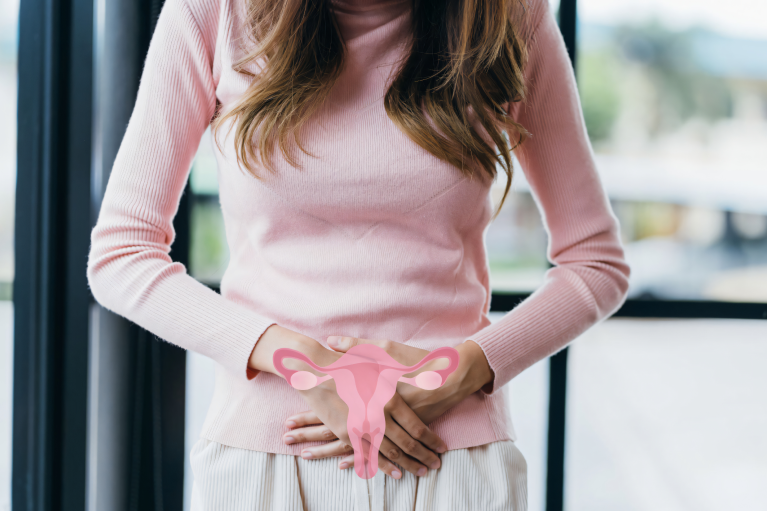
Ovarian Torsion Symptoms
Large ovarian cysts may increase the risk of ovarian torsion, a condition where the ovary twists around its supporting tissues.
Warning signs include:
- Sudden severe pelvic pain
- Persistent nausea and vomiting
- Fever
- Abdominal swelling
- Severe tenderness
Ovarian torsion is a medical emergency that requires urgent treatment.
Several factors contribute to ovarian cyst formation.
Common causes include:
- Normal ovulation
- Hormonal imbalance
- Pregnancy
- Endometriosis
- Polycystic Ovary Syndrome (PCOS)
- Pelvic infections
- Previous ovarian cysts
- Fertility medications
Women undergoing fertility treatment or trying to conceive should discuss ovarian health with their healthcare provider.
You may have a higher risk of developing ovarian cysts if you:
- Are of reproductive age
- Have PCOS
- Have endometriosis
- Have irregular menstrual cycles
- Have hormonal disorders
- Are undergoing fertility treatment
- Have a family history of ovarian cysts
- Previously had ovarian cysts
Maintaining good reproductive health and regular gynecological check-ups can help identify cysts early.
Ovarian Cyst Symptoms During Pregnancy
Some ovarian cysts are discovered during routine pregnancy ultrasounds. Most are harmless and disappear as the pregnancy progresses.
Symptoms may include:
- Mild pelvic discomfort
- Lower abdominal pain
- Feeling of fullness
- Occasional bloating
If you experience severe pain, fever, dizziness, or heavy bleeding during pregnancy, seek immediate medical attention. Pregnant women should also stay informed through Pregnancy Symptoms Week by Week, Pregnancy Scan Schedule Month by Month, and High-Risk Pregnancy Care resources.
Diagnosis
A gynecologist may recommend one or more of the following:
Medical History
Your doctor may ask about:
- Menstrual cycle
- Pain characteristics
- Pregnancy history
- Previous cysts
- Family history
Physical Examination
A pelvic examination helps detect tenderness or enlarged ovaries.
Imaging Tests
Pelvic ultrasound is the primary imaging test used to evaluate ovarian cysts
| Test | Purpose |
| Pelvic Ultrasound | Determines size and type of cyst |
| Transvaginal Ultrasound | Provides detailed ovarian images |
| Pregnancy Test | Rules out pregnancy-related conditions |
| CA-125 Blood Test | May be recommended in selected cases |
| MRI or CT Scan | Used for complex cysts when needed |
Treatment depends on your age, symptoms, cyst size, and ultrasound findings.
Observation
Small, simple cysts without symptoms are often monitored with repeat ultrasounds.
Medications
Your doctor may recommend:
- Pain-relieving medications
- Hormonal contraceptives in selected cases to reduce the risk of new functional cysts
Surgery
Surgery may be necessary if the cyst:
- Is very large
- Causes severe pain
- Persists over time
- Appears suspicious on imaging
- Ruptures with complications
- Causes ovarian torsion
Your gynecologist will discuss the most appropriate treatment based on your individual condition
Diet for Ovarian Health
While diet cannot remove ovarian cysts, healthy eating supports hormonal balance and overall well-being.
Include:
- Fresh fruits
- Leafy green vegetables
- Whole grains
- Lean protein
- Healthy fats
- Nuts and seeds
- Plenty of water
Limit:
- Sugary beverages
- Highly processed foods
- Excess refined carbohydrates
Women with PCOS may benefit from individualized dietary guidance from their healthcare provider.
Prevention Tips
Although ovarian cysts cannot always be prevented, these habits may support reproductive health:
- Schedule regular gynecological check-ups
- Maintain a healthy weight
- Exercise regularly
- Manage hormonal conditions
- Follow treatment plans for PCOS or endometriosis
- Seek evaluation for persistent pelvic pain
Warning Signs
Consult a healthcare professional immediately if you experience:
- Sudden severe pelvic pain
- Heavy vaginal bleeding
- Fever with pelvic pain
- Dizziness or fainting
- Persistent vomiting
- Rapid abdominal swelling
- Difficulty breathing
These symptoms may indicate a ruptured cyst or ovarian torsion and require urgent medical care.
Book an appointment if you have:
- Persistent pelvic pain
- Recurrent abdominal bloating
- Irregular menstrual cycles
- Pain during intercourse
- Frequent urination with pelvic pressure
- A known ovarian cyst that is increasing in size
- Symptoms lasting more than a few days
Early evaluation allows appropriate diagnosis and treatment while reducing the risk of complications
Frequently Asked Questions
1. What are the first symptoms of an ovarian cyst?
Many ovarian cysts cause no symptoms. When symptoms occur, they commonly include pelvic pain, bloating, irregular periods, and a feeling of fullness in the lower abdomen.
2. Can ovarian cysts disappear on their own?
Yes. Many functional ovarian cysts resolve naturally within a few menstrual cycles without treatment.
3. Are ovarian cysts cancerous?
Most ovarian cysts are benign. However, certain complex or persistent cysts require further evaluation to rule out more serious conditions.
4. Can ovarian cysts affect fertility?
Most simple ovarian cysts do not affect fertility. However, conditions such as endometriosis or PCOS that are associated with ovarian cysts may influence reproductive health.
5. How are ovarian cysts diagnosed?
Diagnosis typically involves a pelvic examination, ultrasound imaging, and, in some cases, blood tests or additional imaging studies.
6. When should I seek emergency care?
Seek immediate medical attention if you develop sudden severe pelvic pain, heavy bleeding, dizziness, fainting, or persistent vomiting.
Conclusion
Ovarian cysts are common and are often harmless, but understanding the symptoms can help you recognize when medical evaluation is needed. While many cysts resolve on their own, persistent pain, irregular menstrual cycles, bloating, or sudden severe symptoms should never be ignored.
Regular gynecological check-ups, a healthy lifestyle, and timely medical care can help protect your reproductive health. If you experience ongoing ovarian cyst symptoms or have concerns about your menstrual cycle or fertility, consult a qualified gynecologist for an accurate diagnosis and personalized treatment plan.