Third Trimester Pregnancy Care
The third trimester is the final stage of pregnancy and is an exciting time as you prepare to welcome your baby. It begins from Week 28 and continues until delivery, usually around Week 40. During these weeks, your baby gains most of its weight, the lungs mature, and the body prepares for life outside the womb. At the same time, mothers experience increased physical changes as the uterus expands and labour approaches.
After successfully completing first trimester pregnancy care and second trimester pregnancy care, the focus now shifts towards your baby’s final development, monitoring your health, preparing for labour, and ensuring a safe delivery.
Proper third trimester pregnancy care involves regular prenatal check-ups, healthy nutrition, monitoring baby movements, recognising labour signs, and preparing physically and emotionally for childbirth.
What Is the Third Trimester?
The third trimester begins at Week 28 and continues until birth.
It includes:
- Seventh Month (Weeks 28–31)
- Eighth Month (Weeks 32–35)
- Ninth Month (Weeks 36–40)
During this period:
- Baby gains weight rapidly.
- Brain and lungs continue developing.
- Baby usually turns into a head-down position.
- Mother prepares for labour and delivery.
Regular pregnancy monitoring becomes increasingly important during this stage.
Seventh Month (Weeks 28–31)
During the seventh month:
- Baby’s brain develops rapidly.
- Eyes can open and close.
- Baby responds to light and sound.
- Bones become stronger.
- Body fat begins increasing.
Your baby measures approximately 37–40 cm and weighs around 1–1.5 kg.
Eighth Month (Weeks 32–35)
Baby continues growing rapidly.
Development includes:
- Lung maturation
- Increased body fat
- Stronger muscles
- More frequent movements
- Improved nervous system development
Many babies move into the head-down position during this stage.
Ninth Month (Weeks 36–40)
During the final month:
- Baby reaches full-term development.
- Organs are fully mature.
- Baby continues gaining weight.
- Body prepares for birth.
Most babies measure approximately 48–52 cm and weigh 2.8–3.5 kg at birth.
Common Third Trimester Symptoms
Many physical changes occur as labour approaches.
Common symptoms include:
- Shortness of breath
- Frequent urination
- Swollen feet and ankles
- Back pain
- Pelvic pressure
- Braxton Hicks contractions
- Difficulty sleeping
- Heartburn
- Constipation
- Fatigue
- Strong baby movements
These symptoms are common but should still be discussed during prenatal appointments.
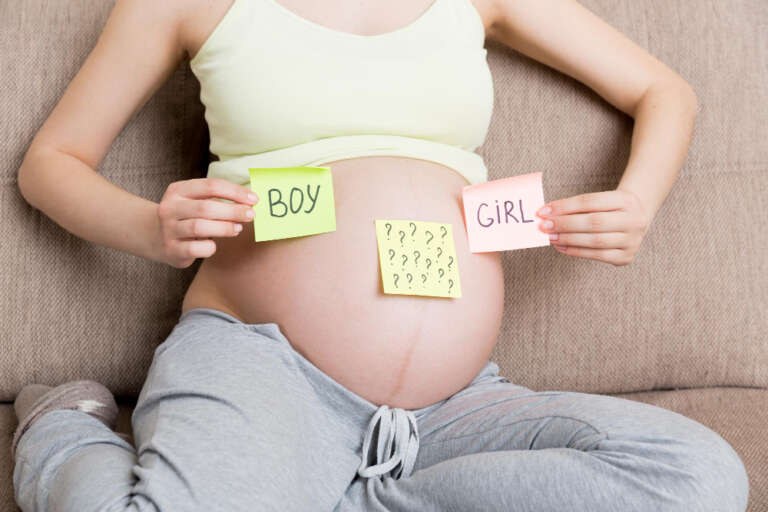
Body Changes During the Third Trimester
Growing Belly
The uterus reaches its maximum size, causing increased pressure on nearby organs.
Baby Drops Lower (Lightening)
Towards the end of pregnancy, many babies move lower into the pelvis.
This may:
- Improve breathing
- Increase pelvic pressure
- Cause more frequent urination
Braxton Hicks Contractions
These are practice contractions that prepare the uterus for labour.
Unlike true labour:
- They are irregular.
- Usually stop with rest.
- Do not become progressively stronger.
Breast Changes
Some women notice leakage of colostrum, the first form of breast milk.
Healthy Diet During the Third Trimester
Nutrition continues to play an important role.
Protein-Rich Foods
Choose:
- Eggs
- Lentils
- Paneer
- Milk
- Fish (if recommended)
- Lean meat
Protein supports baby’s rapid growth.
Calcium-Rich Foods
Continue including:
- Milk
- Curd
- Cheese
- Ragi
- Sesame seeds
Iron-Rich Foods
Iron helps reduce the risk of anaemia.
Include:
- Spinach
- Beans
- Dates
- Whole grains
- Green leafy vegetables
Fibre-Rich Foods
To reduce constipation:
- Fruits
- Vegetables
- Whole grains
- Oats
Healthy Fluids
Drink enough water daily to stay hydrated and reduce swelling.
Foods to Avoid During the Third Trimester
Continue avoiding:
- Raw meat
- Raw seafood
- Unpasteurised dairy
- High-mercury fish
- Alcohol
- Smoking
- Excess caffeine
- Highly processed foods
Important Tests During the Third Trimester
Routine monitoring becomes more frequent.
Growth Scan
Evaluates:
- Baby’s growth
- Placenta
- Amniotic fluid
- Baby’s position
Blood Pressure Monitoring
Helps detect pregnancy-induced hypertension and preeclampsia.
Blood Sugar Monitoring
Especially important for mothers with gestational diabetes.
Group B Streptococcus (GBS) Test
Usually recommended between 35–37 weeks if indicated.
Fetal Monitoring
Doctors monitor:
- Baby’s heartbeat
- Movements
- Overall well-being
Third Trimester Pregnancy Care Tips
Attend Every Prenatal Appointment
Regular check-ups become increasingly important during the final weeks.
Count Baby Movements
Monitor your baby’s daily movements and report any noticeable reduction immediately.
Prepare Your Hospital Bag
Pack essentials such as:
- Medical records
- Comfortable clothes
- Baby clothes
- Toiletries
- Feeding essentials
Practice Labour Breathing Techniques
Prenatal yoga and breathing exercises may help prepare for labour.
Stay Physically Active
Continue pregnancy-safe activities such as:
- Walking
- Prenatal yoga
- Pelvic floor exercises
Always follow medical advice.
Sleep Comfortably
Sleeping on your left side with pillow support may improve comfort and circulation.
Signs of Labour
Contact your healthcare provider if you experience:
- Regular painful contractions
- Water breaking
- Bloody show
- Persistent lower back pain
- Reduced baby movements
- Strong pelvic pressure
These may indicate labour has started.
Warning Signs During the Third Trimester
Seek immediate medical care if you notice:
- Heavy bleeding
- Severe abdominal pain
- Severe headache
- Blurred vision
- Sudden swelling
- Reduced fetal movements
- High fever
- Continuous fluid leakage
Prompt medical evaluation helps protect both mother and baby.
Frequently Asked Questions
When does the third trimester begin?
The third trimester begins at 28 weeks and continues until delivery.
How often should I visit my doctor?
Your healthcare provider may recommend more frequent visits during the last few weeks of pregnancy.
When should I start preparing for labour?
Many mothers begin preparing during the seventh or eighth month by attending antenatal classes, packing a hospital bag, and discussing their birth plan.
How do I know if labour has started?
Regular contractions that become stronger and closer together, water breaking, or a bloody show are common signs of labour. Contact your healthcare provider promptly if these occur.
Conclusion
Completing third trimester pregnancy care is the final step before meeting your baby. After progressing through first trimester pregnancy care and second trimester pregnancy care, this stage focuses on your baby’s final development, monitoring your health, and preparing for a safe delivery.
By following a nutritious diet, attending regular prenatal appointments, staying active, recognising labour signs, and seeking timely medical care, you can approach childbirth with greater confidence and peace of mind.